

Our Work
Resources and Products Produced for Partner Communities
About
Featured on this page are examples of resources and products developed by the DRIP team in collaboration with our partner communities.
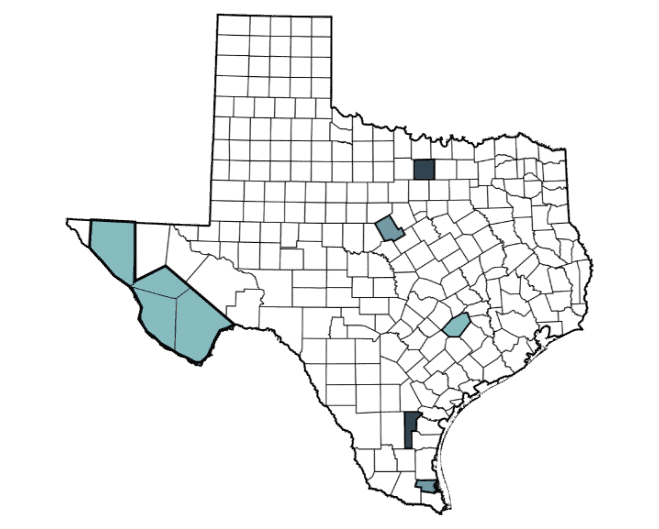
Since 2022, DRIP has worked with ten partner communities experiencing chronic and acute flooding events across six diverse regions in the state to create practical tools, including customized flood risk maps, tailored to local needs. Two communities—Fort Hancock and Wise County—were selected for additional, customized projects to serve as proof-of-concepts with potential for broader application. These efforts include the Wise County Flood Depth Surface Elevation Visualization Project and the Hudspeth County/Fort Hancock Community Flood Knowledge Collection Project.
For a deeper look at our work, we encourage you to explore our blog. Our blog offers a more nuanced perspective on the challenges facing many Texas communities experiencing chronic and acute flooding events, and the DRIP team’s collaborations with our partner communities.
Past Work: DRIP Customized Flood Risk Maps
From 2022 – 2024, the DRIP team produced a series of customized paper and PDF format maps based on community feedback about their priorities for visualizing flood risk information and their requested unique modifications. Each community also received a data reference sheet containing an overview of the data sources and the full underlying data packages upon request.
Upper Rio Grande Valley
Comanche County
Hudspeth County
Jim Wells County
Willacy County
Wise County
Hudspeth County/Fort Hancock
This project focused on developing a process to collect community-held knowledge (such as photos; verbal descriptions of water lines and dates of major storms leading to flooding; and verbal identification of areas/locations prone to flooding, etc.) to inform mapping and modeling products. The main product was a systematic collection of data focused on documenting and describing flooding in this flash-flood vulnerable community, and a GIS Data Viewer.
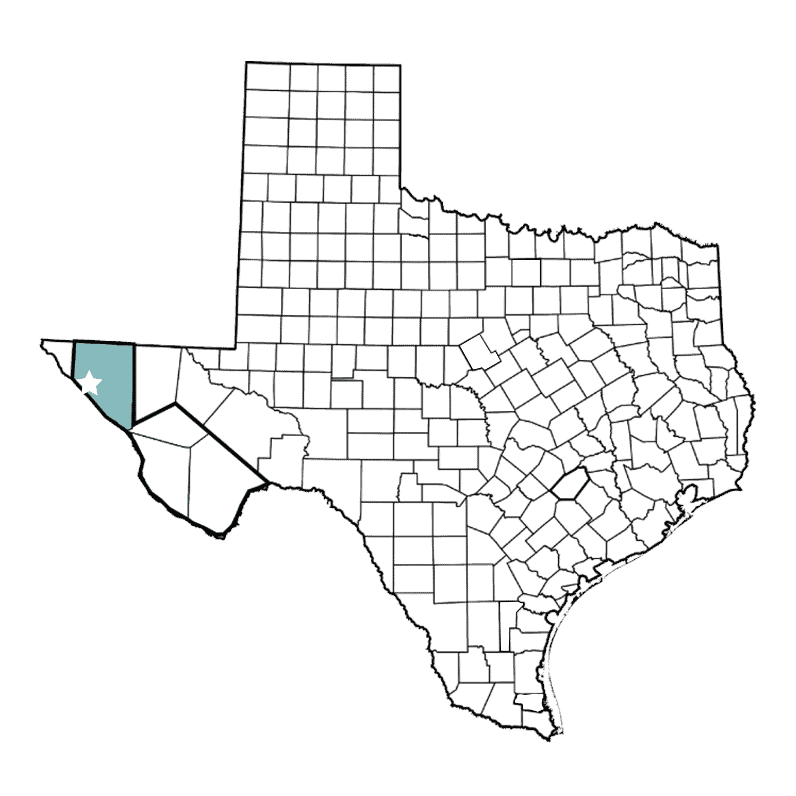
Community Flood Knowledge Collection Project
Fort Hancock is a community in Hudspeth County that experiences unique challenges due to frequent flash flooding and non-traditional/unregulated housing and community berm construction. Roads and bridges washing out are a particular danger and concern to the county.
The County Judge, County Commissioner, and Emergency Management Coordinator are all interested in addressing flooding issues in this community, but there are no good traditional flood data sources available to accurately map, model, and communicate the current risks to the community. Fort Hancock does not show up in traditional risk analyses as being at risk for flooding, but they are flooding almost every year from smaller, flash-flood events.
The DRIP team and county leaders decided on this unique pilot project designed specifically to address the “data desert” found in small, underserved communities like Fort Hancock. This project developed a process to collect community-held knowledge (such as photos; verbal descriptions of water lines and dates of major storms leading to flooding; and verbal identification of areas/locations prone to flooding, etc.) to inform future mapping and modeling products.
The main products for this pilot project were:
- A process to systematically collect data to document and describe flooding in this flash-flood vulnerable community, initially through a Qualtrics survey which were then field tested and developed into a custom application to collect community survey data and photos (in both Spanish and English); and
- A GIS Data Viewer to display the information collected from the community along with official flood data sources from the Federal Emergency Management Agency and the Texas Water Development Board, combined with other information, such as the location of structures.
The project included the following components:

DATA COLLECTION
Worked with the community to collect flood data that helped support grant and funding applications and to inform policy and planning decisions. This door-to-door data collection effort consisted of training community members to build community-driven flood hazard maps.

AERIAL IMAGERY
Collection of aerial images of the community via drone to better map and understand land use/land cover (LULC) and existing, unofficial, and/or modified local drainage.

TOOLS
Hudspeth County will have the ability to interactively view flood hazard data within their community through a simple GIS interface, which will use official flood data sources and combine with other information, such as the location of structures.

RECOMMENDATIONS
Recommendations for future use of the collected data for improved modeling or other risk visualization techniques for the community.
Wise County
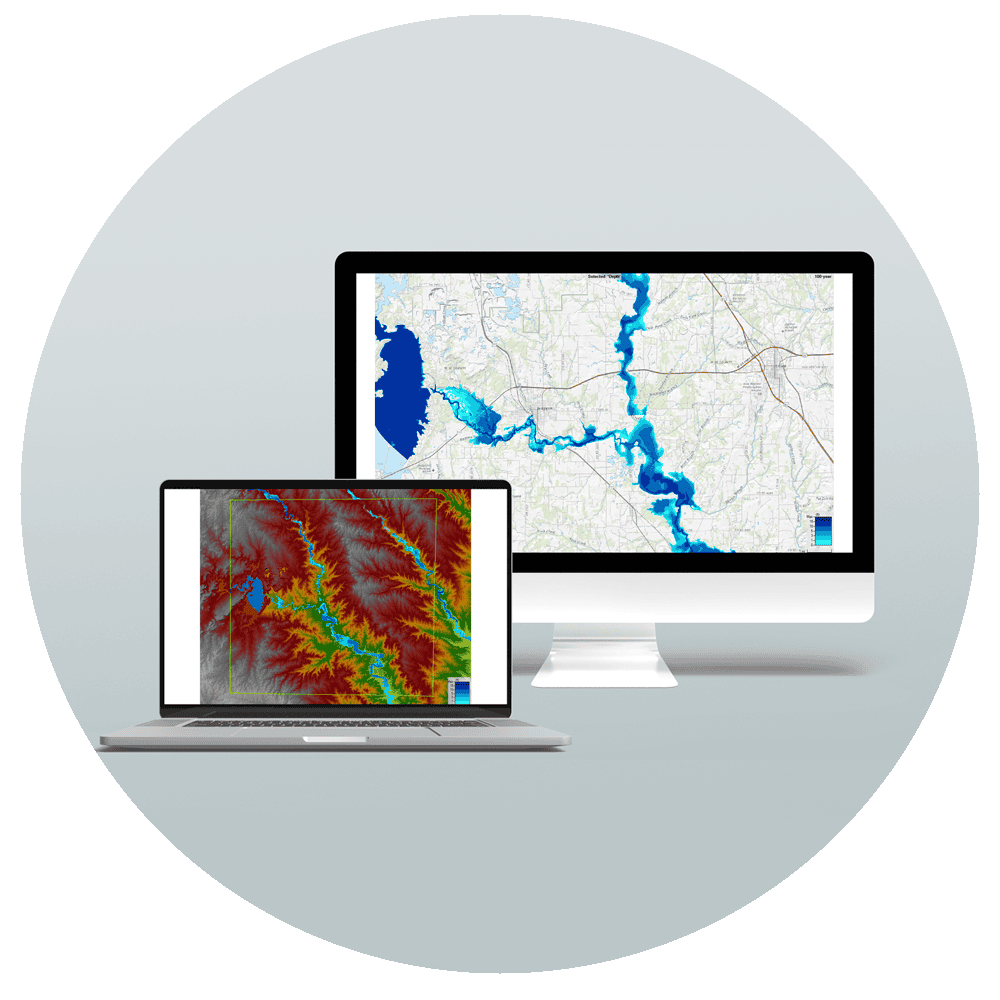
The DRIP team provided Wise County with high resolution flood hazard map products based on the most current flood frequency studies. This tool, which consisted of both interactive and paper-based maps, allows county administrators to visualize and/or extract flood depth and elevation data over particular areas or points of interest, and assists with decision making as well as policy and scenario planning.
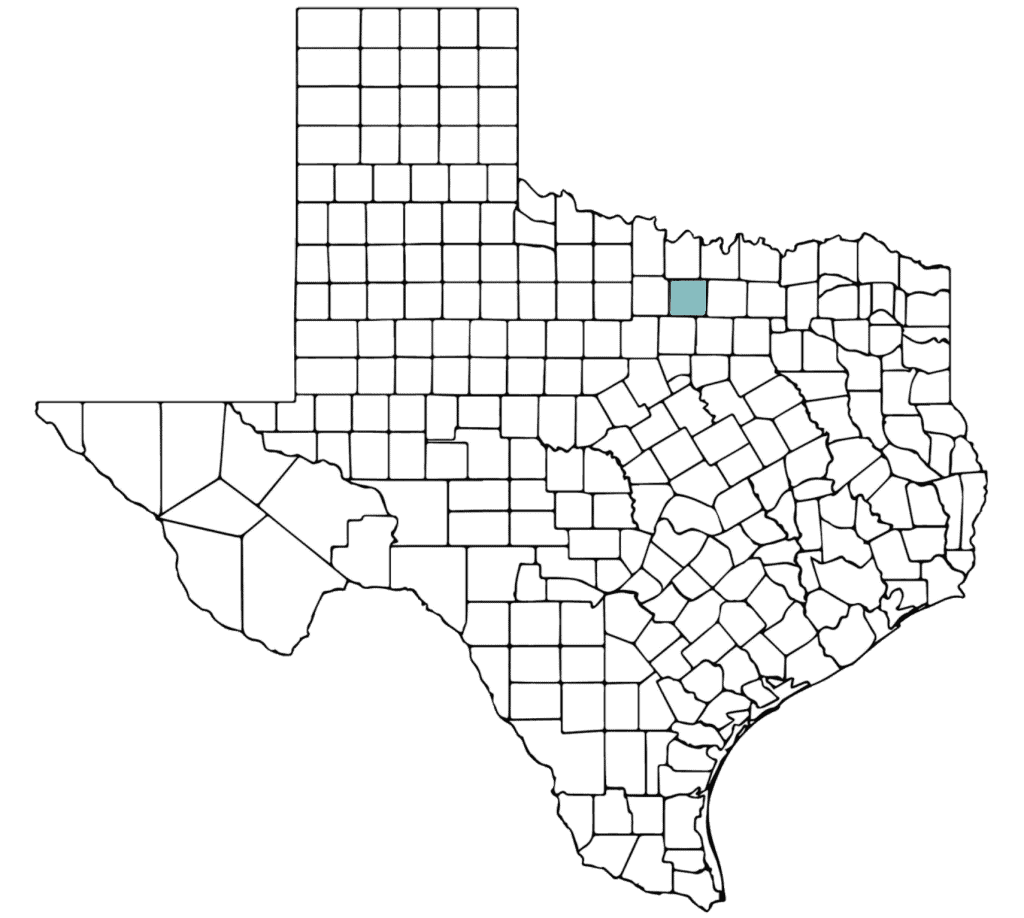
Flood Depth Surface Elevation Visualization
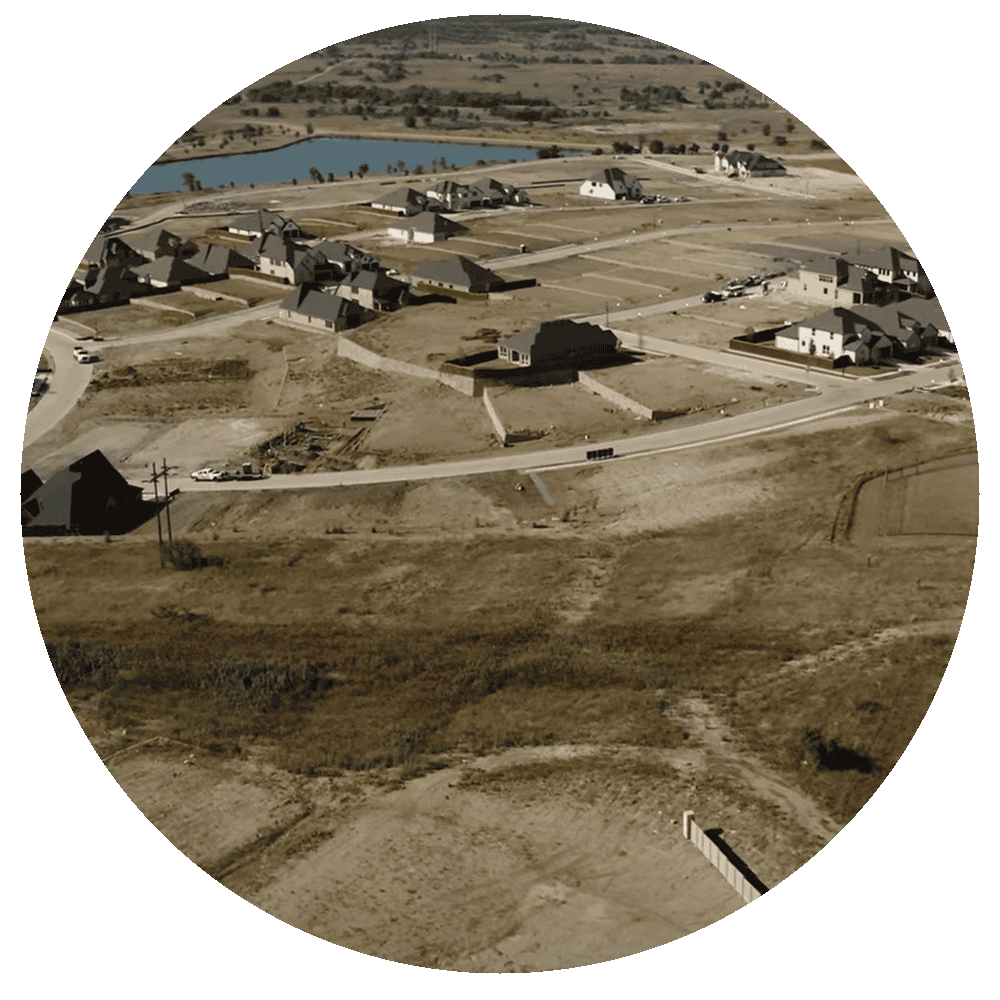
Once largely rural, Wise county is now experiencing rapid population growth and development as the Dallas–Fort Worth metroplex continues to expand outward. New residential subdivisions, commercial centers, and supporting infrastructure are transforming the landscape at a rapid pace. While this growth brings opportunity, it also introduces significant challenges for flood risk management. Increased development has led to a rise in impervious surfaces that reduce natural drainage and increase runoff. As a result, flood risk across Wise County is growing.
The DRIP team worked closely with Wise County to strengthen its flood risk planning and decision-making capacity. Wise County was provided with high-resolution flood hazard map products developed using the most current flood frequency studies available.
The project included the following components:
TOOLS
Interactive flood hazard maps that allow users to visualize flood depths and elevations across the county and at specific points of interest.

FLOOD VISUALIZATION
Paper-based map products to support planning, communication, and use in settings where digital tools may not be available or practical.
RESOURCES
A curated inventory of relevant data sources that the county can access independently as they work towards addressing their flooding issues.
DRIP Blog
Welcome to our blog! Explore our posts to learn more about DRIP’s work and the challenges facing our partner communities.
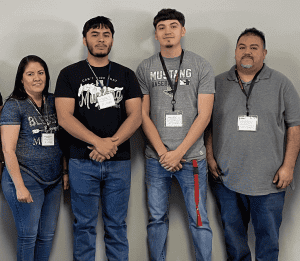
Data From the Heart of the Desert: A Community Making a Difference
Fort Hancock, also portrayed in our previous blog posts, is a community of hard-working individuals. Even though this is a desert, it is also a
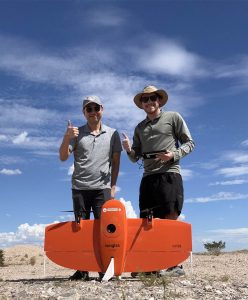
Using Drones to Address Data Deserts
By Nicholas Diaz, PhD student, and Dr. Andrew Juan, Associate Research Scientist Arriving in Fort Hancock, Texas for the first time, it was clear to
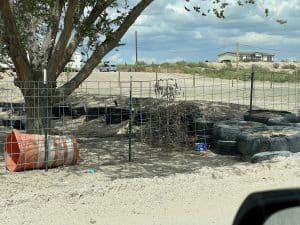
A True Data Desert: Fort Hancock, Texas
Imagine being new in a community. Regardless of whether you rent or own your home, you need to get your utilities—e.g., water, power, trash—connected and
